Open vs. Enclosed Auto Transport in Knoxville: How to Select the Best Knoxville Car Shippers for Your Vehicle's Needs and Budget
Shipping a vehicle to or from Knoxville requires more than finding a carrier with an available trailer. The type of transportation you choose can influence your shipping cost, vehicle protection, delivery schedule, and overall experience. Two of the most common options are open and enclosed auto transport. Although both methods move vehicles between locations, they offer different levels of protection and are suited to different transportation needs.
For everyday cars, open transport is often a practical and budget-friendly solution. Enclosed shipping, on the other hand, offers additional protection for luxury, classic, exotic, and collectible vehicles. Understanding how these services compare can help you make a decision that reflects your vehicle's value and your available budget.
Whether you are relocating, purchasing a vehicle from another state, moving for work, or arranging transportation for a specialty automobile, comparing Knoxville car shippers carefully is an important part of the process. This guide explains the differences between open and enclosed transport, the factors that affect pricing, and the questions to ask before choosing an auto shipping company.
Understanding Open Auto Transport
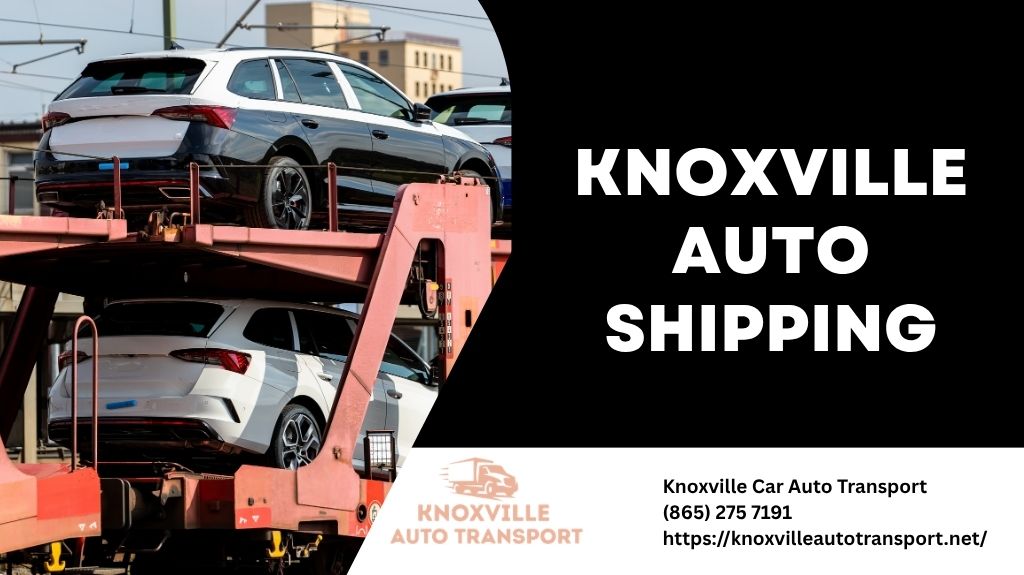
Open auto transport is one of the most widely used methods for shipping vehicles across the United States. Cars are loaded onto an open-air trailer, typically designed to carry several vehicles during one trip. These trailers are similar to the carriers commonly seen transporting new vehicles to dealerships.
Because open carriers can accommodate multiple automobiles, transportation costs are generally distributed among several customers. This makes the service more affordable than enclosed shipping in many situations.
How Open Car Shipping Works
After scheduling a shipment, the carrier coordinates a pickup location with the customer. The vehicle is inspected before loading, and its existing condition is documented. Once secured to the trailer, it travels with the carrier toward the destination. At delivery, another inspection allows the customer to compare the vehicle's condition with the original documentation.
Open carriers can be useful for a variety of transportation needs, including:
- Standard sedans and compact cars
- Family vehicles and minivans
- Pickup trucks and many SUVs
- Vehicles purchased from dealerships
- Cars being relocated for employment or personal reasons
- Everyday automobiles traveling across state lines
Advantages of Open Auto Transport
More affordable transportation: Open shipping is usually less expensive because carriers can transport multiple vehicles at once. Customers who want dependable vehicle delivery without paying for specialized protection often consider this option.
Broad carrier availability: Open transport is commonly used throughout the country. Its popularity can make it easier to find carriers operating along established routes, including shipments involving Knoxville and surrounding Tennessee communities.
Suitable for everyday vehicles: Most standard vehicles are designed for regular outdoor use. For many owners, an open trailer provides an appropriate balance between transportation cost and practical protection.
Flexible shipping options: Depending on the carrier and route, customers may find different pickup and delivery arrangements. Door-to-door service may be available when road access and local conditions permit.
Potential Disadvantages of Open Transport
Open trailers do not provide a roof or enclosed walls around the vehicles. Automobiles are therefore exposed to normal outdoor conditions during transportation. Rain, road dust, wind, and other environmental elements may affect the vehicle's exterior.
Minor exposure to road debris is another consideration. While carriers use vehicle-securing procedures and operate with appropriate care, open transport cannot provide the same enclosed environment as a covered trailer. Owners of vehicles with delicate finishes or significant collectible value may prefer a higher level of protection.
What Is Enclosed Auto Transport?
Enclosed auto transport uses trailers with covered sides and roofs to protect vehicles during transit. Depending on the equipment, an enclosed carrier may transport a smaller number of automobiles than a standard open trailer. This specialized arrangement is designed to reduce exposure to weather, road debris, and outside conditions.
For owners who place a high priority on preserving a vehicle's exterior condition, enclosed shipping can be a worthwhile investment. It is frequently selected for automobiles that require additional care because of their value, rarity, condition, or specialized design.
Vehicles That May Benefit from Enclosed Shipping
- Classic and vintage automobiles
- Luxury vehicles and premium models
- Exotic and high-performance sports cars
- Rare or collectible automobiles
- Show cars and restored vehicles
- Vehicles with custom paint or delicate finishes
- Specialty automobiles with significant financial or personal value
Benefits of Enclosed Auto Transport
Greater weather protection: A covered trailer helps shield vehicles from rain, sunlight, wind, and other outdoor conditions. This can be especially important when transporting a freshly restored car or an automobile with a sensitive finish.
Reduced exposure to road debris: Enclosed trailers create a physical barrier between the vehicle and much of the surrounding road environment. Although no transportation method can eliminate every possible risk, this additional protection may provide greater peace of mind.
Specialized handling options: Some enclosed carriers offer equipment and loading arrangements suited to low-clearance, high-value, or specialty vehicles. Owners should confirm the carrier's equipment and handling capabilities before booking.
Greater privacy: Covered trailers keep transported automobiles out of general view. This may appeal to owners who prefer additional discretion when moving valuable or unusual vehicles.
Limitations of Enclosed Shipping
The primary drawback is cost. Enclosed transport generally carries a higher price because specialized trailers have limited vehicle capacity and may require more specific equipment. Availability can also be more limited than open transport, depending on the route, season, and pickup schedule.
For a standard commuter vehicle, the additional expense may not offer enough practical value to justify the higher rate. Customers should evaluate the vehicle's condition, replacement cost, and protection requirements before selecting this service.
Open vs. Enclosed Auto Transport: Key Differences
Both transportation methods are designed to move vehicles safely between locations, but their equipment, pricing, and protection levels differ. Reviewing these distinctions can make it easier to determine which option suits your shipment.
Comparison Factor Open Auto Transport Enclosed Auto Transport Trailer design Open-air carrier Covered trailer with enclosed sides and roof Typical cost Generally more affordable Generally more expensive Weather protection Limited protection from outdoor conditions Greater protection from weather exposure Road debris exposure Vehicle remains exposed Reduced exposure Vehicle capacity Often carries multiple vehicles Usually carries fewer vehicles Common applications Daily drivers, family cars, dealership vehicles Classic, exotic, luxury, and collectible cars Availability Common on many routes More specialized and route-dependentThe right choice depends on what you are transporting and how much protection you want during the journey. A standard vehicle in good condition may be well suited to open shipping, while a rare automobile with a delicate finish may justify the additional expense of an enclosed carrier.
How Much Does Auto Transport Cost in Knoxville?
Vehicle shipping prices in Knoxville vary according to several factors. There is no single rate that applies to every shipment because carriers consider distance, vehicle specifications, route demand, trailer type, and scheduling requirements when preparing quotes.
Open transport generally offers the lower starting price, while enclosed shipping usually costs more because of its specialized equipment and reduced capacity. However, the difference between quotes depends on the details of the shipment.
Factors That Influence Shipping Prices
Transportation distance: Longer routes typically increase the total shipping cost. However, the price per mile may decrease on longer trips because certain operating expenses are spread across more miles.
Vehicle dimensions and weight: Larger and heavier vehicles, including oversized SUVs and pickup trucks, may take up more trailer space and require additional handling. This can affect the final quote.
Carrier type: Enclosed transport generally costs more than open shipping. The additional expense reflects specialized trailers, limited capacity, and the specific requirements of enclosed vehicle transportation.
Pickup and delivery locations: Carriers often prefer accessible locations near major roads and established transport routes. A remote pickup point or a location with restricted truck access may require an alternative meeting place or additional coordination.
Seasonal demand: Shipping prices can change throughout the year. Moving seasons, holidays, weather conditions, and fluctuations in carrier availability may influence the number of available transport options.
Delivery timeframe: Customers requesting expedited pickup or a narrow delivery window may pay more than those with flexible scheduling. Allowing a reasonable pickup window can create more opportunities to match the shipment with a suitable carrier.
Vehicle condition: Cars that do not run or cannot be driven onto a trailer may require specialized loading equipment, such as a winch. This can increase the cost of transportation.
Why the Cheapest Quote May Not Be the Best Choice
A low quote can look attractive, particularly when you are working with a limited moving budget. However, the initial price does not always explain what the service includes. Some estimates may have different pickup windows, carrier arrangements, insurance provisions, or additional charges.
Before accepting an offer, ask whether the quoted amount is the complete transportation price, what services are included, and whether any additional fees could apply. A clear written estimate makes it easier to compare companies fairly.
Choosing Between Open and Enclosed Shipping for Your Vehicle
The best transportation method should reflect your vehicle's specific requirements rather than a general assumption that one option is always better. Consider its age, condition, market value, and sensitivity to environmental exposure.
When Open Transport Makes Sense
Open shipping is often a sensible choice when transporting a regularly used vehicle that does not require specialized protection. If you are relocating a sedan, moving a family SUV, or arranging delivery for a recently purchased automobile, an open carrier may provide the right combination of affordability and convenience.
It may also be suitable when:
- Your vehicle has a standard factory finish and is in good condition.
- You want to keep transportation expenses manageable.
- Your shipment follows a common route with regular carrier traffic.
- You are comfortable with normal outdoor exposure during transit.
- Your vehicle does not require special loading or handling equipment.
When Enclosed Transport Is Worth Considering
Enclosed shipping may be the better option when protecting the vehicle's exterior is a major priority. A classic automobile that has undergone a careful restoration, for example, may be more vulnerable to unwanted exposure than a standard daily driver.
Consider an enclosed carrier if:
- Your automobile is rare, collectible, or particularly valuable.
- You want additional protection from weather and road debris.
- The vehicle has a custom paint finish or delicate exterior details.
- You are transporting a show car or recently restored classic.
- The vehicle's condition makes extra precautions important.
Remember that enclosed shipping does not guarantee damage-free transportation. The carrier's operating practices, equipment, insurance arrangements, and inspection procedures remain important regardless of trailer type.
What to Look for When Comparing Knoxville Car Shippers
Finding a suitable transport method is only one part of arranging a successful shipment. The company coordinating your vehicle's transportation also matters. Knoxville car shippers may differ in carrier networks, communication practices, scheduling flexibility, and service arrangements.
Instead of choosing a provider based only on its advertised price, review the company's credentials and transportation process.
1. Verify Registration and Operating Authority
Interstate commercial vehicle transportation is subject to federal requirements. Before booking, check whether the relevant motor carrier or broker has the appropriate registration and operating authority. Ask for the company's legal business name and USDOT or MC number when applicable.
The Federal Motor Carrier Safety Administration (FMCSA) provides resources for checking company information and understanding transportation requirements. You can begin with the official FMCSA website.
2. Understand Whether You Are Hiring a Broker or Carrier
Auto transport companies may operate as carriers, brokers, or businesses offering different arrangements. A carrier physically transports the vehicle, while a broker arranges transportation through an authorized carrier. Some companies may provide both types of services.
Ask who will handle your vehicle, how the carrier will be selected, and who you should contact if a scheduling or delivery issue occurs. Understanding these responsibilities can prevent confusion later.
3. Review Insurance Coverage
Insurance is an important part of vehicle shipping. Request information about the carrier's cargo insurance, including coverage limits, exclusions, and the process for reporting potential damage. Do not assume that every policy covers all vehicle components or every type of loss.
For a high-value automobile, ask whether the available coverage is appropriate for its current market value. You may also want to speak with your personal auto insurer about any existing coverage that could apply while the vehicle is being transported.
4. Read Customer Reviews Carefully
Customer feedback can help you understand how a company communicates and handles transportation arrangements. Look for recurring comments about pickup coordination, delivery updates, professionalism, pricing transparency, and problem resolution.
Rather than relying on one unusually positive or negative review, consider the overall pattern of feedback. Recent experiences may be especially useful when assessing current service practices.
5. Compare Written Quotes
Request estimates from multiple providers using the same shipment details. Make sure each company knows the vehicle's make, model, condition, pickup location, destination, preferred dates, and requested trailer type.
Comparing equivalent quotes helps you identify differences in service rather than simply selecting the lowest number. Ask each provider to explain what is included and whether the quoted amount may change after a carrier is assigned.
6. Evaluate Communication and Support
Clear communication makes vehicle shipping easier to manage. A dependable provider should explain the booking process, give realistic scheduling expectations, answer questions, and provide a way to receive updates.
Before making a payment, find out who will be your main point of contact. You should know how to reach the Knoxville auto shipping company if pickup arrangements change or delivery takes longer than expected.
Local Considerations When Shipping a Vehicle To or From Knoxville
Knoxville's location in East Tennessee makes it a useful starting point for vehicle shipments to destinations throughout the region and beyond. However, the exact pickup and delivery arrangements depend on the addresses involved, the carrier's route, and the accessibility of each location.
Pickup and Delivery Access
Large transport trailers need enough space to maneuver safely. Some residential streets, apartment communities, parking areas, and commercial properties may not allow a full-size carrier to stop or turn conveniently.
If direct access is limited, the driver may suggest a nearby parking lot or another accessible meeting point. Discuss these possibilities before the scheduled pickup to avoid last-minute confusion.
Weather and Road Conditions
Weather can affect vehicle transportation schedules in Tennessee and along connecting routes. Rain, storms, winter conditions, road construction, and traffic congestion may influence travel time or pickup arrangements.
Open carriers provide less environmental protection than enclosed trailers, so owners should consider their vehicle's condition and exposure concerns. Regardless of the carrier type, allow some flexibility in your delivery expectations when conditions are unpredictable.
Regional and Long-Distance Routes
Vehicle shipments involving Knoxville may connect with destinations across Tennessee, neighboring states, and major metropolitan areas throughout the country. Carrier availability can vary depending on the direction of travel and the frequency of transport activity along a particular route.
When comparing Knoxville vehicle shipping services, provide accurate addresses or ZIP codes instead of relying only on city names. More precise information helps companies evaluate access, distance, and scheduling requirements.
Door-to-Door vs. Terminal-to-Terminal Vehicle Shipping
In addition to selecting open or enclosed transport, you may need to decide how your vehicle will be collected and delivered. Door-to-door and terminal-to-terminal shipping offer different levels of convenience.
Door-to-Door Transport
With door-to-door service, the carrier aims to collect and deliver the automobile as close as safely and legally possible to the requested addresses. This can reduce the need for customers to travel to a separate shipping facility.
However, the term does not always mean the trailer can reach the exact front door. Road restrictions, narrow streets, overhead obstacles, and parking limitations may require a nearby meeting location.
Terminal-to-Terminal Transport
Terminal-to-terminal shipping involves dropping off and collecting the vehicle at designated storage or transportation facilities. Depending on the provider and route, this arrangement may offer scheduling flexibility, but it can require additional travel and coordination.
Ask about terminal operating hours, storage charges, vehicle access, and collection deadlines before selecting this option. These details can affect the overall cost and convenience of the shipment.
How to Prepare Your Vehicle for Shipping
Preparing your automobile before pickup can make the transportation process more straightforward. Whether you choose an open or enclosed carrier, take time to document the vehicle's condition and follow the carrier's instructions.
- Clean the exterior: Wash the vehicle so existing scratches, dents, paint damage, and other marks are easier to identify during inspection.
- Take photographs: Capture clear images of the front, rear, sides, wheels, roof, and any existing damage. Keep the pictures with your shipping documents.
- Remove personal belongings: Clear out loose items and valuables. Personal property may not be covered by the carrier's cargo insurance and can create additional weight or safety concerns.
- Check for mechanical issues: Inform the company about starting problems, fluid leaks, brake issues, or other conditions that may affect loading and unloading.
- Secure loose exterior accessories: Remove or properly secure detachable accessories that could become loose during transportation.
- Leave an appropriate fuel level: Follow the carrier's instructions regarding fuel. A limited amount is generally sufficient for loading and unloading.
- Disable alarms when appropriate: Explain how to operate the alarm system or provide instructions to prevent unnecessary interruptions.
- Check tire condition: Ensure the tires are properly inflated and inform the carrier if the vehicle cannot roll or steer normally.
- Keep necessary documents available: Have your booking confirmation, contact information, and any requested vehicle documentation ready.
For additional vehicle ownership and safety information, the National Highway Traffic Safety Administration (NHTSA) offers resources covering vehicle safety and maintenance.
Understanding the Vehicle Inspection and Bill of Lading
The vehicle inspection is an important step in the shipping process. Before loading, the driver should document the automobile's visible condition. This information is generally recorded on a condition report or Bill of Lading, depending on the carrier's procedures.
Customers should review the document carefully and make sure existing scratches, dents, chips, or other visible issues are recorded accurately. Taking personal photographs provides an additional reference if questions arise later.
At delivery, inspect the automobile before signing the final paperwork. Compare its condition with the original inspection record and photograph any newly observed damage. If there is a concern, document it on the delivery paperwork and notify the carrier promptly. Follow the company's written claims procedure and keep copies of all relevant records.
Never feel pressured to sign a document that does not accurately reflect the vehicle's condition. Ask questions if any section is unclear, and retain copies of the completed paperwork.
Common Mistakes to Avoid When Booking Auto Transport
Even a straightforward vehicle shipment can become stressful when important details are overlooked. Avoiding a few common mistakes can help protect your budget and improve the overall experience.
- Choosing a company based only on price: A low estimate should not replace a review of registration, insurance, service terms, and customer feedback.
- Providing incomplete vehicle details: Incorrect information about the vehicle's size, condition, or operability can lead to revised pricing or loading problems.
- Ignoring insurance limitations: Ask for the policy details instead of assuming every type of damage or personal belonging is covered.
- Expecting an exact delivery time: Traffic, weather, route changes, and other transportation factors can affect arrival schedules.
- Leaving personal items inside the vehicle: Unapproved belongings can create insurance, weight, and safety concerns.
- Failing to document existing damage: Photographs and accurate inspection records can help resolve condition-related questions.
- Overlooking cancellation terms: Review deposits, cancellation policies, payment timing, and possible additional charges before agreeing to the service.
Questions to Ask Knoxville Car Shipping Companies Before Booking
A short conversation with a transport provider can reveal important details about its service. Use the following questions when comparing potential Knoxville car shippers:
- Do you arrange open transport, enclosed transport, or both?
- Will my vehicle be transported by your company or an assigned third-party carrier?
- Can you provide the carrier's registration and insurance information?
- What does the quoted price include?
- Are there additional fees for oversized or non-running vehicles?
- What pickup window should I expect?
- Can you provide door-to-door delivery if the streets are accessible?
- How will I receive updates during transportation?
- What should I do if I notice damage at delivery?
- What are your deposit, cancellation, and payment policies?
Professional providers should be willing to explain their procedures and help customers understand the terms of service. Clear answers make it easier to compare transportation companies with confidence.
Is Enclosed Auto Transport Worth the Extra Cost?
Whether enclosed shipping is worth the additional expense depends on the vehicle and the owner's priorities. For a standard automobile used for commuting, open transport may provide sufficient value. Spending more on an enclosed carrier may not be necessary when the vehicle does not have special protection requirements.
For a classic car, luxury model, exotic sports car, or recently restored automobile, the decision may be different. The additional protection from weather and road debris can be valuable when maintaining the vehicle's exterior condition is especially important.
Think about the potential cost of repairing the vehicle's finish, its replacement value, and how much peace of mind matters to you. Compare the enclosed quote with the open option, then decide whether the additional protection justifies the difference.
Making the Right Auto Transport Decision in Knoxville
Selecting between open and enclosed auto transport becomes easier when you understand the purpose of each service. Open carriers offer a practical and economical way to move many everyday vehicles, while enclosed trailers provide an additional layer of protection for automobiles that require more specialized care.
Before booking, evaluate your vehicle's condition, transportation distance, preferred schedule, and budget. Compare written estimates, verify the appropriate carrier or broker credentials, review insurance details, and understand the inspection process. These steps can help you avoid unnecessary expenses and make a more informed decision.
When researching Knoxville car shippers, focus on transparent pricing, clear communication, appropriate equipment, and documented transportation procedures. The right provider should help you understand your options rather than pressure you into a service that does not match your needs.
Whether you are moving a daily driver across Tennessee or arranging specialized transportation for a valuable automobile, choosing the right shipping method can make the journey more manageable. With careful preparation and a well-informed comparison, you can select an auto transport solution that balances vehicle protection, convenience, and cost.
Contact Us:
Knoxville Car Auto Transport
(865) 275 7191